
Phone Number
+6016 878 5451
Email Address

ATPC Green Energy delivers innovative solutions for sustainability, driving energy savings and promoting environmental stewardship as a subsidiary of Agape ATP Corporation (Nasdaq Stock Code: ATPC).
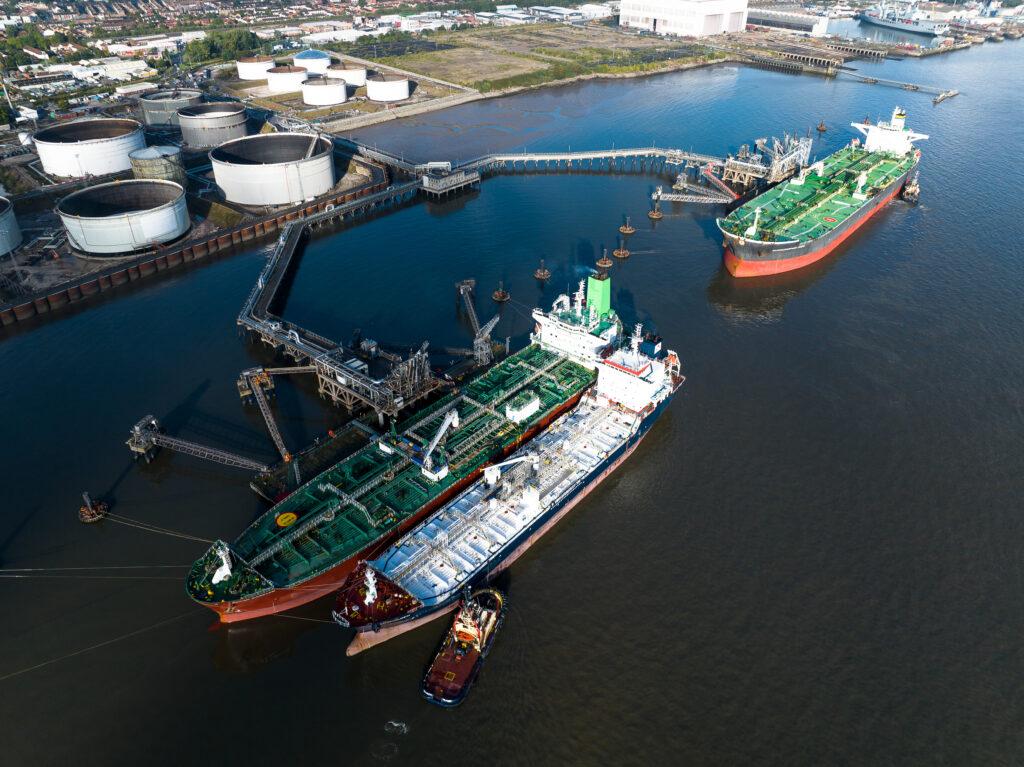
Global Fuel Logistics & Quality Assurance is AGE's specialized service dedicated to ensuring the secure, compliant, and high-integrity movement and verification of bulk hydrocarbon products across global supply chains. We manage the complex operational procedures—including secure storage transfers and mandatory third-party quality checks—to eliminate risks of contamination, quantity discrepancies, and logistical failure. By adhering to strictly non-negotiable protocols and leveraging certified inspection partners, we provide our clients with absolute confidence in every transaction, upholding the highest standards of governance and environmental stewardship in physical asset management.
Implementation of mandatory, secure protocols for fuel transfers (e.g., Tank-to-Tank (TTT), Tank-to-Vessel (TTV), Ship-to-Ship (STS)) in major international hubs, ensuring strict adherence to contractual terms and reducing counterparty risk.
Coordination of independent, internationally recognized inspection companies (e.g., SGS) to perform mandatory Dip Tests and Quality & Quantity (Q&Q) checks, guaranteeing product specification and volume before title transfer.
Meticulous management of all essential logistics documentation, including Tank Storage Receipts (TSR), Injection Reports, Authorization to Sell & Collect (ATSC), and Product Ownership Certificates (POP), ensuring a transparent and verifiable audit trail.
Our non-negotiable procedures are foundational to mitigating fraud, ensuring the security of high-value commodities, and guaranteeing operational integrity for all parties involved. This standardization is critical for efficient, high-volume global transactions.
The Dip Test, performed by a neutral third-party inspection agency, is a crucial physical verification that confirms the exact quality (specifications) and quantity of the fuel in the storage tank before the buyer takes ownership, offering absolute product certainty.
By enforcing best-in-class operational governance, we significantly reduce the environmental risks associated with fuel handling and transport. Our focus on operational efficiency and verifiable compliance supports the Governance (G) and Environmental (E) pillars of our overall ESG mandate.

Copyright 2024 - All Rights Reserved ByATPC Green Energy
 English
 中文
中文